

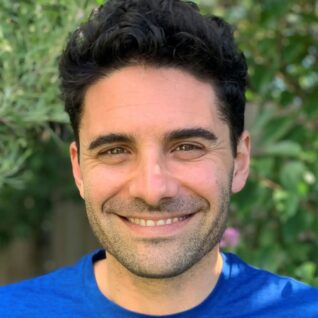
Eli Court
Chief Executive Officer
Eli is a skilled communicator, a builder of bridges and a person who loves to bring people together to work towards a common cause. He understands the reality and challenges of farming, and is deeply committed to soil and landscape restoration, and to seeing regional communities benefit from the opportunities that regenerative approaches to agriculture offer. Formerly the Engagement and Communications Manager at Soils for Life, Eli has over a decade of experience in the non-profit sector working on climate and sustainability research, policy and engagement. His former roles include Engagement Director at Farmers for Climate Action and System Lead (Food, Land and Oceans) at ClimateWorks Centre, as well as a range of roles in energy systems, community building, government policy development, advocacy and law.
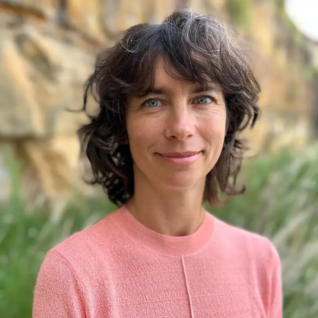
Dr Kate Johnston
Farm Stories Manager
Kate is inspired by those who produce our food and loves sitting down with them for a chat. She believes that meaningful change in our food systems and the regeneration of our landscapes can come through working collaboratively with diverse communities of food producers, innovators and researchers. She is a social scientist who works in an integrative way to bring together different forms of expertise and knowledge to tackle complex ecological and social challenges. She completed her PhD at the University of Sydney and prior to joining Soils for Life worked at the Sydney Environment Institute (USYD) where she is now an honorary fellow.
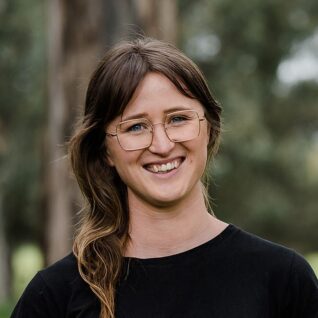
Courtney Young
Farmer Learning Manager
Courtney is a community builder, farmer and passionate advocate for agroecology and regenerative grain growing. She co-founded Woodstock Flour with her husband Ian where they grow and mill organic grain for their community and bakeries across Victoria and NSW. Courtney is a committee member of GrAiNZ and she’s previously worked for local Landcare and the Australian Food Sovereignty Alliance. She is a creative and holistic thinker with a Bachelor of Environments from the University of Melbourne. Courtney is driven to empower farmers and rural communities, and she sees food and farming as powerful levers for environmental and social change.
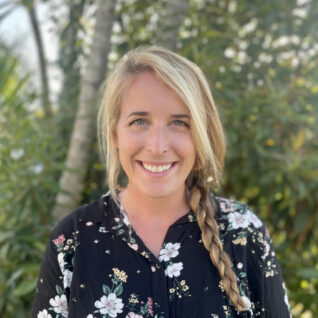
Dr Esty Yanco
Operations & Partnerships Manager
Esty cares deeply about looking after landscapes in ways that are healthy for communities, animals and the environment. With a transdisciplinary research background in the One Health benefits of regenerative land management, Esty is energised by the ability for regenerative agriculture to build landscape resilience and improve ecosystem health on production landscapes. She has a BA in Biology and Geography (Dartmouth College), an MS in Conservation Medicine (Tufts University) and a PhD in Socio-Ecology (UTS), and has extensive experience in research project development, implementation and administration.
Jen Sheridan
Strategic Communications Manager
Jen is driven by the belief that agriculture and food systems are our most exciting and natural way to build healthier ecosystems and stronger communities. She has worked as a communications specialist for numerous not-for-profits, researchers, and farmers. As Executive Director of Open Food Network she supported on-the-ground community food enterprise solutions. Her award-winning research has focused on how we can better support farmers and good land management through policy and economic development initiatives. Throughout her career she has focused on how we can better share knowledge and communicate the value and impact of strong agriculture and food systems.
Jono Forrest
Partnerships & Strategic Projects Manager
Jono has a passion for agriculture, and over the last 20 years that has become more focused on what's involved with farmers taking a regenerative approach to the management of their businesses. Having spent over 25 years working with farmers in his role as an accountant, Jono's work focus has shifted over the last 5 years with time at the Mulloon Institute and Accounting for Nature. As Partnerships and Strategic Projects Manager with Soils for Life he works with farmers and industry professionals on projects, while engaging with Partners to amplify farmer perspectives across the food and agriculture system. Having lived in regional locations all his life, including growing up on a farm in South Australia, Jono has seen the importance of soil health as the foundation for resilient agricultural enterprises, and is excited to learn more and share the inspirational stories of farmers we work with.
Chris Wieffering
Digital Resources & Design Manager
Chris is passionate about localised agro-ecological food systems, a way of producing food that emphasizes ecological principles, social justice, and the integration of traditional knowledge with modern science. He has grown food for communities from the Mid North Coast to the Far South Coast NSW, and the Mornington Peninsula. During this time he realised the importance of building resilient food systems and connected communities. He advocates for soil health as a critical part of environmental and social wellbeing. Chris applies his creative and communication skillsets to share the stories and knowledge of regeneration and ecological thinking.
Tahlia Kinrade
Senior Project Manager
Tahlia finds purpose in supporting food systems that prioritise landscape health and rural communities. With a Bachelor of Science (Ecology), she has worked in agricultural extension across various industries and regions, including in Queensland, New South Wales and Tasmania. She owes much to the farmers she has worked with for the perspectives, challenges, and knowledge they have shared. She sees soil stewardship as the critical link between healthy food, people and landscapes. Inspired by those weaving agroecological principles into the way they farm, Tahlia is always up for a chat about all things food, farming and soil related.
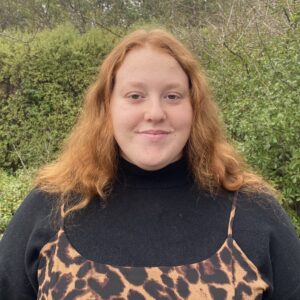
Jalen Green
Administration Officer
Jalen is fascinated by the deep connections between people, plants and place, seeing soil as a vital link between past and future landscapes. Growing up in rural Victoria, she developed a strong appreciation for land and community. She recently completed a Bachelor of Science (Biological Anthropology) and Bachelor of Archaeological Practice, and is now undertaking Honours in archaeobotany. Her current research focuses on plant material from Boomplaas Cave in South Africa. Jalen is passionate about Indigenous knowledge systems, regenerative land management and making science accessible through storytelling and public engagement.
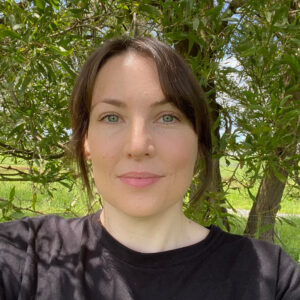
Kylie Beale
Research & Communications Officer
Kylie is driven by a commitment to strengthening fair and resilient food systems that care for both people and the planet. Inspired by farmers and communities putting regenerative principles into practice, she is passionate about making research and knowledge accessible and connecting ecological outcomes with social wellbeing. Kylie has a Master of Environment (University of Melbourne) and a Master of Documentary Filmmaking (VCA), and has experience spanning research, advocacy and hands-on practice. Her work includes supporting regenerative farms, community food initiatives and projects focused on food security and emissions reduction. She sees healthy soils as the foundation for lasting food and climate security and a pathway to more just and regenerative futures.
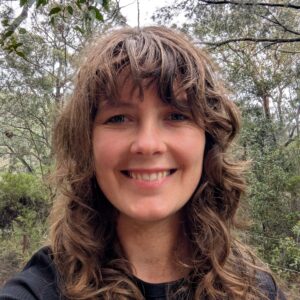
Madison Roland-Evans
Research & Engagement Officer
Madison is passionate about healthy ecosystems enabling healthy communities, and access to land for the next generation of farmers. She is energised by community-led food system work and spending time with farmers on their land. She has worked on a range of small scale farms across Australia and brings experience in communications, horticulture and education to the team. Outside of her work you'll find her in her garden or exploring local bush trails.
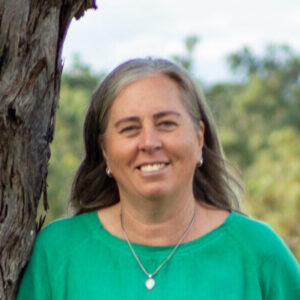
Kim Deans
Agroecologist
Kim is inspired by the connections between soil health, farm viability, human wellbeing, ecosystem health, and everything else. She is passionate about empowering the adaptive capacity of people in agriculture and enjoys working with farmers creating vibrantly healthy farming ecosystems that produce nourishing food. Her holistic approach is shaped by formal qualifications, including a Bachelor of Rural Science (Honours) and a Master of Agriculture, combined with over 30 years of experience
across a wide range of agricultural contexts. These include family farming, soil health, whole-farm planning, coaching, and agricultural extension. Kim’s work is grounded in 21 years of hands-on practice implementing regenerative agriculture, permaculture design, and biodynamic principles. Together with her partner Angus, she has applied these approaches to regenerate land they are custodians of in the Northern Tablelands of NSW.
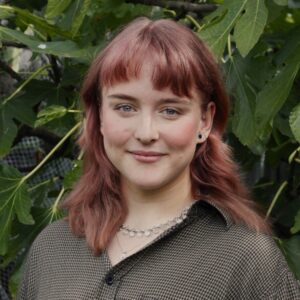
Kate Matthews
Applied Land & Soils Specialist
Kate is a soil scientist driven by a fascination for the complexity of soils and their role in sustaining healthy ecosystems, landscapes, and food systems. As a PhD candidate in soil ecology, she investigates how land management practices shape soil microbial communities and influence soil health. Her passion lies in bridging science and practice working alongside farmers and land managers to better understand and support resilient agricultural and ecological systems. Kate approaches challenges with a systems lens that embraces collaboration, and practical change to support the interconnected health of individuals, communities, and the environment.
Our Board
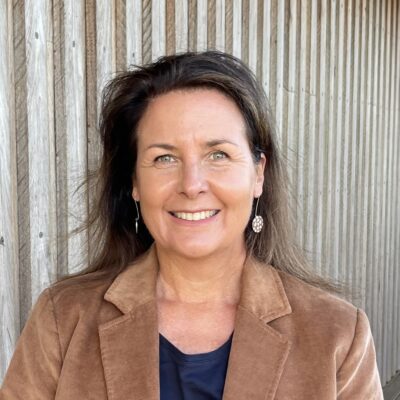
Olivia Lawson
Chair
Olivia is a dedicated advocate for sustainable agriculture with over twenty years of experience as a partner in a cattle seed stock business in central Victoria. Her family business specialises in holistic grazing systems, best practice animal welfare, and sustainable land management, breeding highly productive beef genetics. Olivia has actively participated in carbon and climate pilot programs within the agricultural sector and has provided policy advice on beef sustainability initiatives. Her commitment to sustainable agriculture has been recognised through awards such as the ‘Landcare Sustainable Farmer of the Year’ (2013) and the ‘Coles Weekly Times Beef Farmer of the Year’ (2020), awarded alongside her family. Olivia holds a degree in Agricultural Science from Melbourne University and is a Graduate of the Australian Institute of Company Directors. She has served in non-executive director roles on various national and international agriculture-related boards, and currently serves as Chair of Soils for Life, Deputy Chair of the North Central Catchment Management Authority. And is a steering group member for the Australian Beef Sustainability Framework.
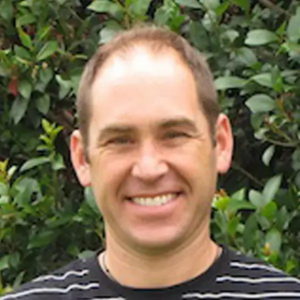
Justin Borevitz
Justin grew up on an experimental vegetable farm, pursuing his interest in plant science at University of California, the Salk Institute and University of Chicago before moving to the world-leading Plant Science Division at Australian National University. With a focus on the genetic basis of adaptation in plant populations, including wheat and the iconic Eucalyptus, he contributes to agricultural productivity and landscape conservation. His work has developed next generation genetic analysis and plant growth facilities extending to landscape-scale field research with high-resolution monitoring and environmental sensing infrastructure. The work enables precision studies of (agro)ecosystem responses to changing management and climate. The ultimate goal is to work with farmers to ensure food security, safeguard biodiversity and ecosystems, and to draw down 1 Gigaton of Carbon Dioxide per year with regenerative farming systems across 100 million hectares.
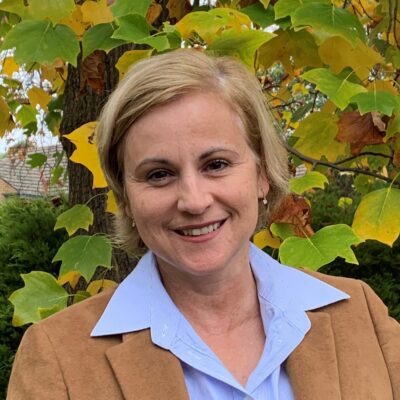
Carmel Onions
Carmel is passionate about the opportunities and practices that simultaneously regenerate landscapes, reduce net emissions and improve the profitability and resilience of farming enterprises. Carmel works in the banking sector and has almost 30 years of career experience spanning disciplines across finance, strategy, investment analysis, and business transformation in both Australia and London, and she works directly with farming families and corporate agribusinesses. Her achievements include writing the first sustainability linked loan in Australian agriculture. Carmel graduated from the University of Sydney with a First Class Honours degree in Agricultural Economics, and has completed a Graduate Diploma in Applied Finance & Investment Analysis
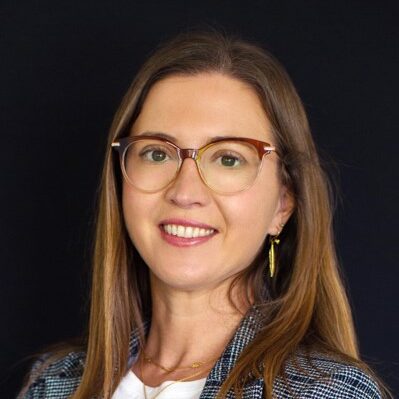
Pip Band
Pip is a dedicated advocate for the transformative potential of agriculture in driving decarbonisation and landscape restoration, while continuing to meet the fundamental need for food and fibre production. Pip has had the privilege of working in agriculture for the past 15 years and brings prior experience from the finance and consumer sectors, which enriched her approach to sustainability and business strategy. Pip founded Band Consulting, offering strategic sustainability solutions that enhance business reputations while contributing to a just, equitable, and sustainable future. Her work spans collaborations with industry groups, brands, and allied industries. Pip is proud of lasting contributions made in establishing transformative initiatives including the Australian Beef Sustainability Framework, engagement at global climate and sustainability forums, and forging innovative partnerships to advance sustainable agriculture nationwide.
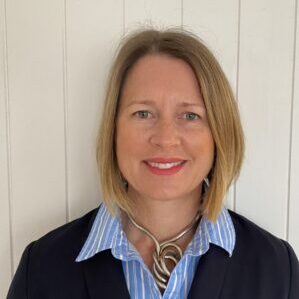
Amanda Roughan
Amanda is dedicated to advancing collaborative leadership and capacity building in agriculture to enhance the social, economic and ecological prosperity of regional communities. With over 25 years of consulting/facilitation experience in the agricultural sector, she is committed to utilising peer-to-peer mentoring to promote sustainable adoption outcomes. As a Director and co-owner of South East Country Vets in Queensland, Amanda has developed extensive expertise in governance, strategic planning, financial analysis and organisational culture. She lives on a small beef breeding property with her family in southeast Queensland, and has improved the land’s natural capital through regenerative agricultural practices such as time-controlled grazing and pasture cropping. Amanda holds a First-Class Honours degree in Agricultural Science from the University of Queensland and is a graduate of the Australian Institute of Company Directors. She also serves as Deputy Chair of the Southeast Queensland Beef Research Committee and is a member of the Sustainable Resilient Beef Systems working group for Cattle Australia.
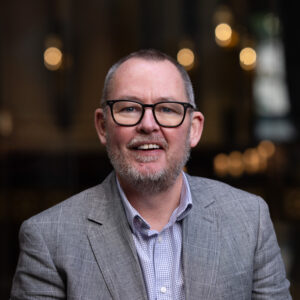
Chris Murphy
Chris Murphy is a non-executive director and independent advisor with over 25 years’ experience in agricultural research, innovation and public-good investment systems. He brings deep expertise in governance, strategy and research investment oversight, with a strong focus on ensuring that research delivers practical, on-ground outcomes for farmers and communities. As Principal of Chris Murphy Advisory, he works with industry bodies, government agencies and research organisations to strengthen the link between science, delivery systems and real-world adoption. His work spans research portfolio strategy, extension and adoption systems, and independent program review. Chris currently serves on the Board of the Zero Net Emissions Agriculture CRC and chairs international science advisory bodies in New Zealand and Ireland. He is recognised for his clear strategic thinking, independent judgement, and ability to guide complex decisions that balance innovation, sustainability and industry impact. He holds an MBA, a Bachelor of Agricultural Science, and is a Graduate of the Australian Institute of Company Directors.
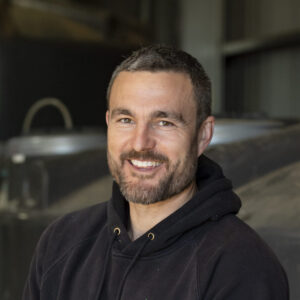
Grant Sims
Grant Sims is an award-winning sixth-generation farmer managing his family’s 8,500-acre farm in North Central Victoria. Following the lead of his father and uncle, who were early adopters of no-till farming, Grant has dedicated his work to improving soil life, function and resilience through biological farming practices. Since 2008, he has moved away from granular synthetic fertilisers, seed dressings, insecticides and fungicides, using them only when absolutely necessary. Each year, the Sims family produces more than 300,000 litres of biological multi-mineral liquid fertiliser. The farm has a strong focus on diversity, growing a wide range of crops while incorporating companion crops, cover crops and integrated livestock. Grant continues to run on-farm trials to explore practical, profitable ways to solve farming challenges and improve soil health for the next generation. Grant also manages the multi-species seed business Downunder AG and is the former president of the Victorian No-Till Farmers Association.
